
 Image 1 of 3
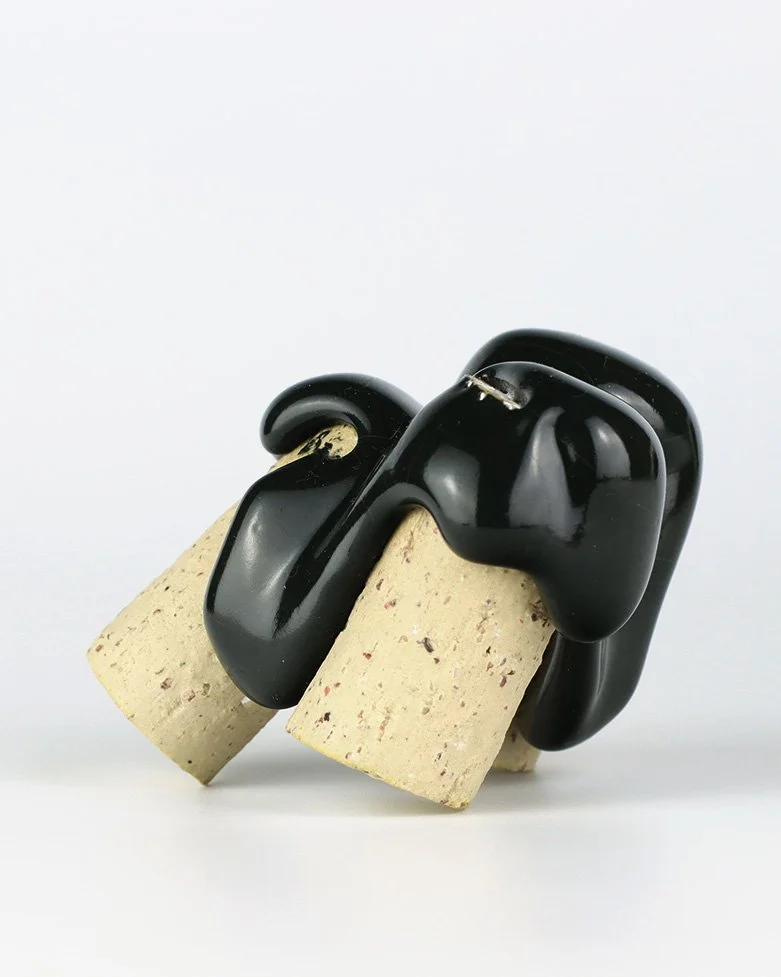 Image 2 of 3
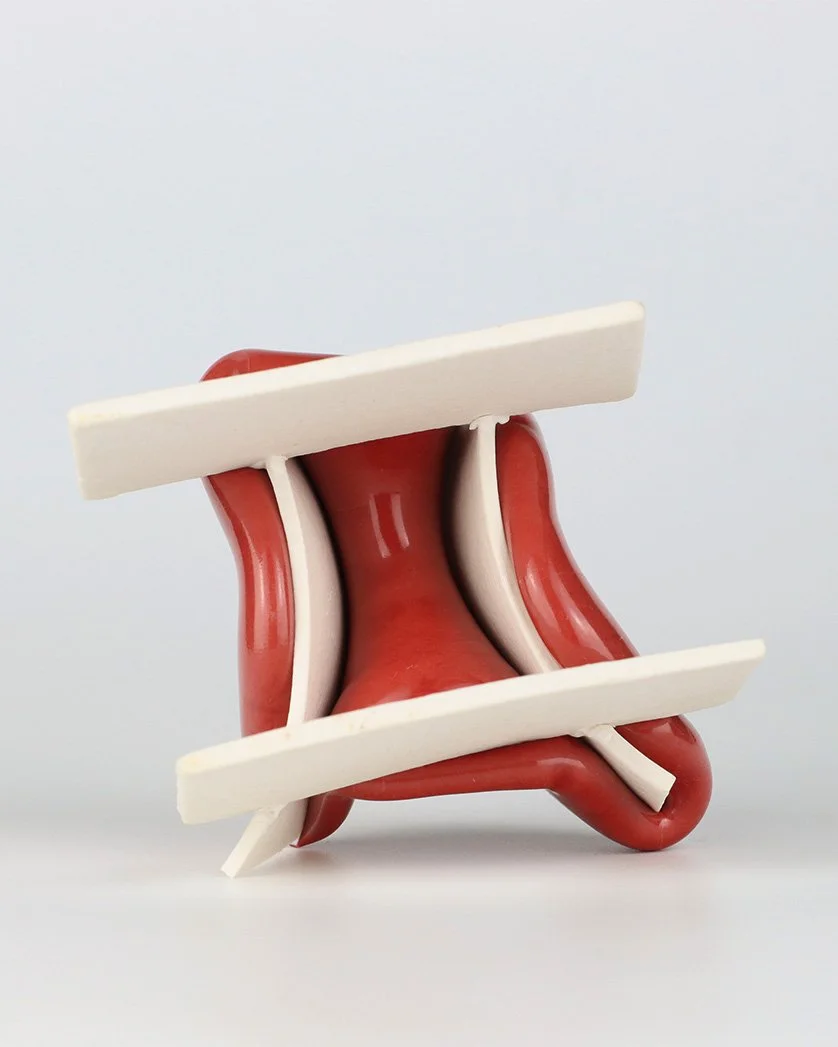 Image 3 of 3
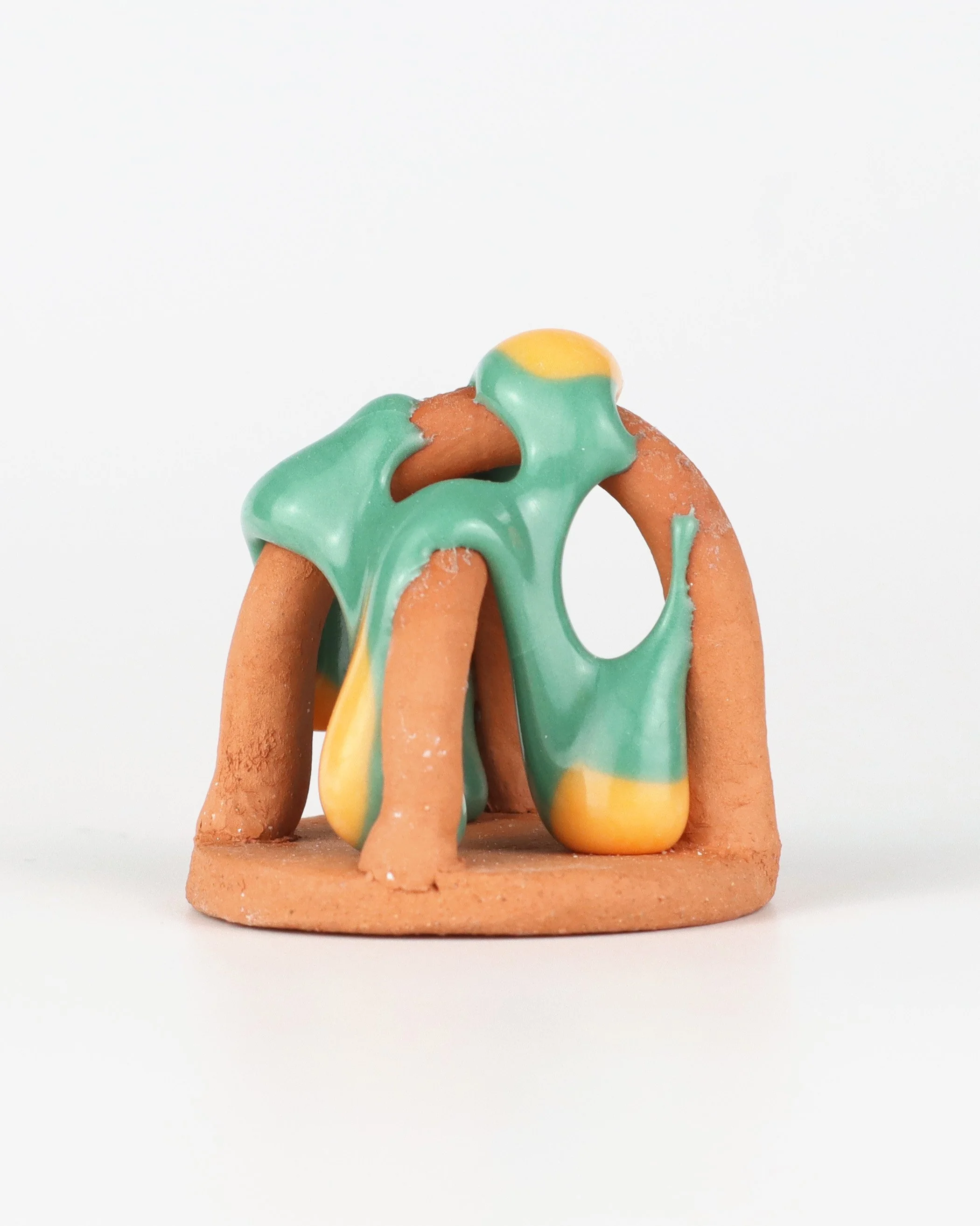
This course invites you to explore glaze not as a decorative finish, but as a material with sculptural potential.
Working with low - mid-range kiln temperatures (1050 & 1220 degrees), we’ll delve into glaze chemistry, focusing on how fluidity and flow can be controlled through the careful balancing of flux ratios, melting points and additives.
You’ll be introduced to the raw materials that encourage glaze movement and transformation in the kiln. Through hands on experimentation, you’ll mix and apply your own glaze tests, developing an understanding of how chemistry - not just heat - can drive the sculptural qualities of a surface.
Test bisqueware will be provided for early investigations, but participants are encouraged to bring their own bisqued sculptural work to glaze and fire at the low - mid temperature range. The course will also cover best practices for protecting kilns and kiln furniture when working with highly fluid glazes.
What you’ll learn:
· Core principles of sculptural glaze chemistry
· How to adjust flux ratios and additives for movement and texture
· Methods for mixing and testing glazes with intention
· Techniques for safe kiln loading with volatile surfaces
· Application of your glaze to a personal sculptural piece
Outcomes:
· A series of clay and flux material tests
· Colour glaze experiments
· Final sculptural works finished with your own glaze formulation
Tutor
This course is led by Chloe Monks, a contemporary ceramic artist based in Bristol. Chloe studied Ceramics at Cardiff School of Art and Design before completing an MA in Ceramics & Glass at the Royal College of Art in 2020, supported by the Queen Elizabeth Scholarship Trust (QEST). Her practice is deeply rooted in material experimentation, with a particular focus on the fluidity and movement of glaze.
Chloe has exhibited both nationally and internationally, including as a Fresh exhibitor at the British Ceramics Biennale, at The Design Museum in The Power of Material: From Virtual to Physical, and at Collect at Somerset House. She has undertaken residencies in India, Jingdezhen, and Cill Rialaig, and currently works across education settings - from schools and universities to private studios - sharing her knowledge and passion for experimental ceramics.
Level: This course is suitable for potters and ceramic artists who have a basic understanding of glaze chemistry and can make glazes from constituent ingredients
Duration: Saturday 28th March 10.30am - 4.30pm
Includes: Test tiles, glaze materials, firings, tea and coffee (herbal and dairy free alternatives available
+Please wear clothes you don’t mind getting dirty+
+ Students will be required to provide their own dust mask and scales weighing to 0.01gm+
Participants must be aged 18 years and over
This course invites you to explore glaze not as a decorative finish, but as a material with sculptural potential.
Working with low - mid-range kiln temperatures (1050 & 1220 degrees), we’ll delve into glaze chemistry, focusing on how fluidity and flow can be controlled through the careful balancing of flux ratios, melting points and additives.
You’ll be introduced to the raw materials that encourage glaze movement and transformation in the kiln. Through hands on experimentation, you’ll mix and apply your own glaze tests, developing an understanding of how chemistry - not just heat - can drive the sculptural qualities of a surface.
Test bisqueware will be provided for early investigations, but participants are encouraged to bring their own bisqued sculptural work to glaze and fire at the low - mid temperature range. The course will also cover best practices for protecting kilns and kiln furniture when working with highly fluid glazes.
What you’ll learn:
· Core principles of sculptural glaze chemistry
· How to adjust flux ratios and additives for movement and texture
· Methods for mixing and testing glazes with intention
· Techniques for safe kiln loading with volatile surfaces
· Application of your glaze to a personal sculptural piece
Outcomes:
· A series of clay and flux material tests
· Colour glaze experiments
· Final sculptural works finished with your own glaze formulation
Tutor
This course is led by Chloe Monks, a contemporary ceramic artist based in Bristol. Chloe studied Ceramics at Cardiff School of Art and Design before completing an MA in Ceramics & Glass at the Royal College of Art in 2020, supported by the Queen Elizabeth Scholarship Trust (QEST). Her practice is deeply rooted in material experimentation, with a particular focus on the fluidity and movement of glaze.
Chloe has exhibited both nationally and internationally, including as a Fresh exhibitor at the British Ceramics Biennale, at The Design Museum in The Power of Material: From Virtual to Physical, and at Collect at Somerset House. She has undertaken residencies in India, Jingdezhen, and Cill Rialaig, and currently works across education settings - from schools and universities to private studios - sharing her knowledge and passion for experimental ceramics.
Level: This course is suitable for potters and ceramic artists who have a basic understanding of glaze chemistry and can make glazes from constituent ingredients
Duration: Saturday 28th March 10.30am - 4.30pm
Includes: Test tiles, glaze materials, firings, tea and coffee (herbal and dairy free alternatives available
+Please wear clothes you don’t mind getting dirty+
+ Students will be required to provide their own dust mask and scales weighing to 0.01gm+
Participants must be aged 18 years and over